
The Manaslu Trek Nepal is one of the most spectacular and culturally rewarding trekking experiences in the Himalayas. Located in north-central Nepal, the route circles Mount Manaslu (8,163 meters), the world’s eighth-highest mountain, while passing through remote mountain villages, dramatic valleys, Buddhist monasteries, alpine landscapes, and the challenging Larkya La Pass.
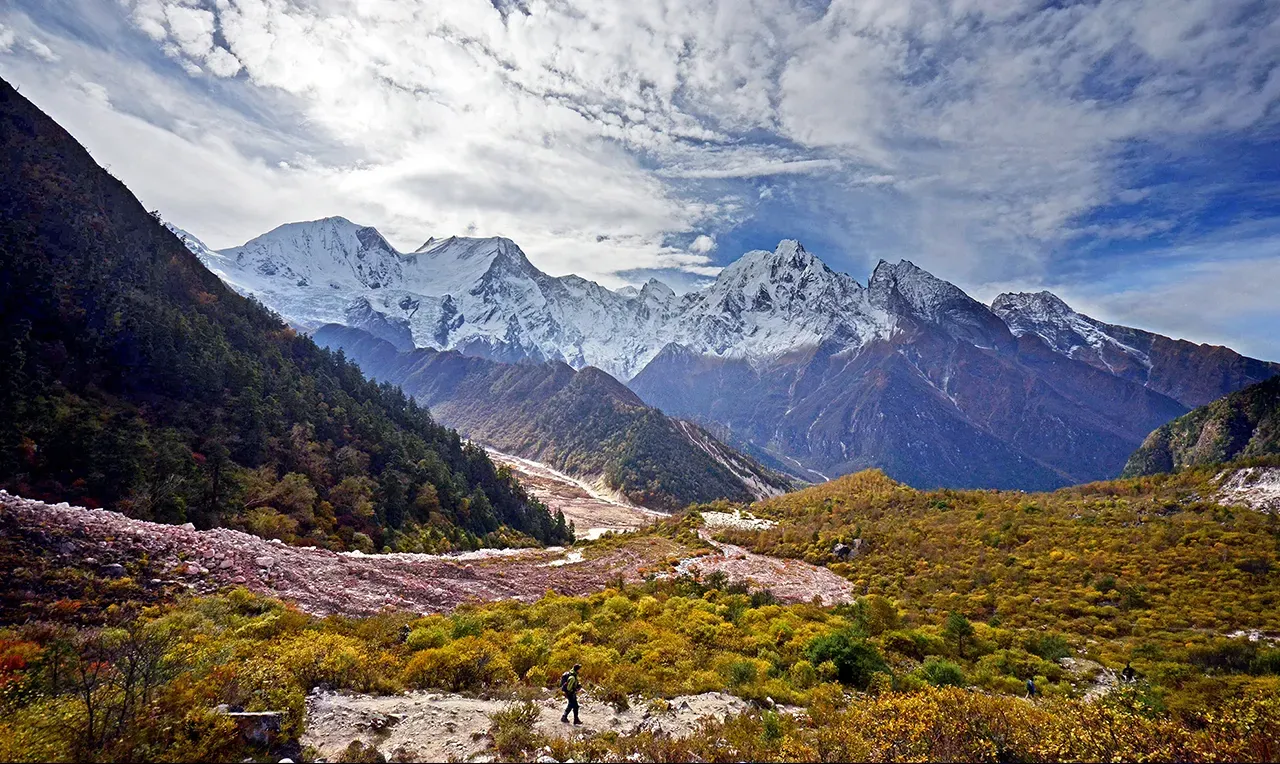
Unlike some of Nepal’s more commercialized trekking routes, the Manaslu region retains a strong sense of wilderness and traditional Himalayan culture. The Nepal Tourism Board describes the Manaslu Conservation Area as a destination where trekkers can experience spectacular Himalayan scenery alongside traditional local lifestyles and hospitality.
For trekkers looking for a combination of natural beauty, cultural discovery, high-altitude adventure, and relatively remote trails, Manaslu Trek Nepal offers an exceptional journey.
What Is the Manaslu Trek?
The Manaslu Trek generally refers to the Manaslu Circuit Trek, a long-distance Himalayan route that travels around Mount Manaslu. The trail follows the Budhi Gandaki Valley before climbing toward the high mountains and crossing Larkya La Pass.
A typical Manaslu Circuit itinerary takes around 14–18 days, depending on the starting point, acclimatization schedule, transportation, and whether additional side trips are included. Recent trekking itineraries commonly place the highest point at approximately 5,100–5,160 meters at Larkya La.
The trek combines several different environments. Lower sections feature lush forests, waterfalls, terraced farmland, and traditional villages. Higher elevations gradually become drier and more alpine, with spectacular views of Manaslu and surrounding Himalayan peaks.
Why Choose Manaslu Trek Nepal?
One of the biggest attractions of the Manaslu Trek is its combination of wilderness and culture.
The route passes through communities influenced by both Gurung and Tibetan Buddhist traditions. As the trail climbs, trekkers encounter prayer flags, mani walls, chortens, monasteries, and traditional stone houses.
The Manaslu Conservation Area is also home to diverse wildlife and plant species. The Nepal Tourism Board notes that the conservation area contains dozens of mammal species, including Himalayan tahr, musk deer, and snow leopard, as well as more than 100 bird species.
Other highlights include:
-
Magnificent views of Mount Manaslu
-
The dramatic Budhi Gandaki Valley
-
Traditional Himalayan villages
-
Tibetan-influenced culture and monasteries
-
Birendra Lake near Samagaun
-
Samdo and other high-altitude settlements
-
Larkya La Pass
-
Diverse landscapes from subtropical forests to alpine terrain
-
Fewer trekkers than some of Nepal’s most established routes
Manaslu Trek Route and Major Highlights
The exact itinerary varies, but a classic Manaslu Circuit begins with a road journey toward the lower Budhi Gandaki region and then continues on foot.
Machha Khola and the Budhi Gandaki Valley
The trekking section commonly begins around Machha Khola, following the Budhi Gandaki River through steep valleys and forested terrain.
The early part of the trek introduces travelers to the changing landscape of the Manaslu region. Suspension bridges, waterfalls, terraced fields, and traditional settlements make these lower sections especially scenic.
Namrung and Lho
As the elevation increases, the landscape becomes increasingly mountainous. Namrung and Lho are important villages along the route and provide some impressive views of Manaslu and surrounding peaks.
The cultural character of the region also becomes more strongly Tibetan-influenced as trekkers move higher into the Nubri Valley.
Samagaun
Samagaun is one of the most important settlements on the Manaslu Circuit and a key acclimatization point.
At roughly 3,500 meters, it provides access to several worthwhile side trips. Trekkers can explore nearby monasteries or hike toward Birendra Lake while allowing their bodies to adjust to the increasing altitude.
Taking an acclimatization day here is an important part of a well-planned Manaslu Trek.
Samdo
The trail continues toward Samdo, a high-altitude village located close to the Tibetan border.
Samdo offers a fascinating glimpse into mountain life in an environment where conditions are considerably harsher than in the lower valleys. The surrounding mountains and wide alpine landscapes create a dramatic setting before the route heads toward Larkya La.
Larkya La Pass
The crossing of Larkya La Pass is the defining challenge of the Manaslu Circuit.
The pass rises to approximately 5,100 meters, depending on the reference used, and crossing it requires an early start, good physical preparation, proper acclimatization, and favorable weather.
The ascent can be demanding because of altitude, cold temperatures, snow, and long walking hours. However, reaching the pass provides an unforgettable sense of achievement and panoramic mountain scenery.
Bimthang and Dharapani
After crossing Larkya La, the trail descends toward Bimthang through increasingly green landscapes.
The descent is a dramatic contrast to the high alpine environment. Eventually, the route reaches Dharapani, where the Manaslu Circuit connects with the Annapurna trekking region.
Difficulty of Manaslu Trek Nepal
The Manaslu Trek is generally considered a challenging to strenuous high-altitude trek.
You do not need mountaineering experience for the standard circuit, but you should be comfortable walking for several hours on consecutive days.
The main challenges include:
-
High altitude
-
Long trekking days
-
Steep ascents and descents
-
Remote terrain
-
Variable weather
-
Crossing Larkya La
-
Basic accommodation in some villages
-
Limited services at higher elevations
Physical preparation is therefore essential. Regular hiking, stair climbing, cardiovascular training, and strength exercises before the trip can make the experience more comfortable.
Altitude acclimatization is equally important. A sensible itinerary should include adequate rest and gradual elevation gains rather than rushing toward the highest sections.
Best Time for Manaslu Trek
The most popular trekking seasons are spring and autumn.
Spring: March to May
Spring brings relatively favorable trekking conditions, warmer temperatures, and blooming rhododendrons in many lower sections.
March, April, and May can offer beautiful mountain scenery, although weather can become less predictable later in the season.
Autumn: September to November
Autumn is another major trekking season. Following the monsoon, mountain visibility can be excellent, while generally stable conditions make it a popular period for crossing Larkya La.
The Nepal Tourism Board specifically lists March–May and September–November as the best seasons for visiting the Manaslu Conservation Area.
Monsoon and Winter
June through August can bring heavy rainfall, muddy trails, landslide risks, and reduced mountain visibility, particularly in the lower sections.
Winter brings very cold conditions and significant snow at higher elevations. Larkya La can become difficult or inaccessible depending on snow conditions.
For most trekkers, planning around the spring or autumn windows is the more practical approach.
Permits for Manaslu Trek Nepal
The Manaslu region includes a restricted trekking area, so trekkers need appropriate permits and must follow Nepal’s trekking regulations.
The Nepal Tourism Board identifies the Gorkha Manaslu area as a restricted zone and lists seasonal fees for the Manaslu Restricted Area Permit.
A standard Manaslu Circuit generally involves:
-
Manaslu Restricted Area Permit (RAP)
-
Manaslu Conservation Area Permit (MCAP)
-
Annapurna Conservation Area Permit (ACAP) for the section entering the Annapurna Conservation Area
The current Nepal Tourism Board also lists the Manaslu Circuit Trek among routes where trekkers must be accompanied by a licensed trekking guide and obtain a trekking-agency-issued TIMS card.
Because permit requirements and fees can change, trekkers should confirm the current regulations with a registered Nepal trekking agency before departure.
Accommodation and Food
Accommodation along the Manaslu Trek is primarily provided by teahouses and small mountain lodges.
Facilities become increasingly basic as you climb. Lower villages generally offer more choices, while high-altitude settlements have fewer rooms and services.
Common meals include:
-
Dal bhat
-
Noodles
-
Rice and vegetables
-
Soups
-
Tibetan-style bread
-
Momos
-
Pasta and simple Western dishes
-
Tea and coffee
Dal bhat is particularly useful for trekkers because it provides a substantial combination of rice, lentils, vegetables, and other side dishes.
What to Pack for Manaslu Trek
Packing appropriately is essential because weather can change rapidly in the Himalayas.
Important items include:
-
Quality trekking boots
-
Warm base layers
-
Fleece and insulated jacket
-
Waterproof jacket and trousers
-
Trekking pants
-
Warm hat and gloves
-
Sleeping bag suitable for cold temperatures
-
Sunglasses and sun protection
-
Water bottles or hydration system
-
Trekking poles
-
Headlamp
-
Personal first-aid supplies
-
High-SPF sunscreen
-
Comfortable backpack
-
Basic toiletries
-
Necessary personal medications
A good packing strategy should balance warmth and protection with keeping your backpack manageable.
Responsible Trekking in the Manaslu Region
The Manaslu region is environmentally and culturally sensitive. Responsible trekking helps preserve the destination for local communities and future visitors.
Trekkers should avoid single-use plastics where possible, carry waste to appropriate disposal points, respect monasteries and religious sites, and ask permission before photographing local people.
Supporting local teahouses, guides, porters, and small businesses also helps ensure that tourism contributes directly to communities along the trail.
Is Manaslu Trek Nepal Right for You?
Manaslu is particularly suitable for travelers who want more than mountain views.
It offers a combination of adventure, cultural immersion, high-altitude trekking, traditional villages, and spectacular Himalayan scenery. The route is challenging enough to feel like a genuine Himalayan expedition while remaining accessible to well-prepared trekkers without technical mountaineering skills.
However, it is not an ideal choice for someone looking for a short or highly comfortable mountain holiday. The journey requires time, physical preparation, patience, and adaptability.
Conclusion
Manaslu Trek Nepal is a remarkable journey through one of the Himalayas’ most diverse and culturally fascinating regions. From the lush Budhi Gandaki Valley to the Tibetan-influenced villages of the upper Manaslu region, every stage of the trek brings a new landscape and experience.
The spectacular views of Mount Manaslu, peaceful mountain communities, ancient Buddhist traditions, high-altitude landscapes, and challenging Larkya La Pass make the trek particularly memorable.
With appropriate preparation, a carefully designed itinerary, proper acclimatization, the required permits, and an experienced licensed guide, the Manaslu Trek can become one of the most rewarding trekking experiences in Nepal. It is a journey that combines physical adventure with cultural discovery and provides an authentic opportunity to experience the grandeur of the Himalayas.

