
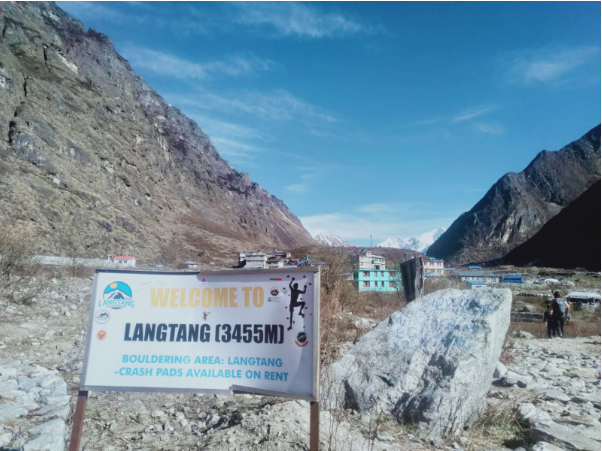
Some treks in Nepal feel busy before you even start walking. Flights to catch, crowds to dodge, schedules to follow. The Langtang Valley Trek feels different from the beginning. Everything is closer. The road, the villages, the mountains, even the pace of the days.
Just north of Kathmandu, Langtang is often described as one of Nepal’s most accessible high-altitude treks. What makes this trek special isn’t just how easy it is to reach. It’s how natural everything feels once you’re there. Big scenery without the noise. Culture without performance. A trail that asks something from you, but never feels like it’s showing off.
Why Langtang Is Beginner-Friendly Without Feeling
Unlike Everest Base Camp or the Annapurna Circuit, the Langtang Valley Trek doesn’t require flights or long travel days. One scenic drive takes you to Syabrubesi, where the walking begins at about 1,470 meters. From there, the trail follows rivers, forests, and small Tamang settlements, gradually gaining altitude.
That gradual climb matters. Your body has time to adjust, and you have time to notice things. Prayer flags strung between trees. Farmers working fields above the trail. Rivers cutting through narrow valleys. You’re not racing the landscape. You’re moving with it.
After a few days, the valley widens, and the mountains take over the skyline. Langtang Lirung, Langtang Ri, Dorje Lakpa, and Langsisa don’t appear all at once. They build slowly, day after day, until they feel constant and close.
Culture That’s Part of the Walk
People remember the Langtang Valley Trek for the scenery, but they talk about it later because of the culture. The villages here weren’t created for trekking. They existed long before the trail became popular.
Places like Lama Hotel, Langtang Village, and Kyanjin Gompa are working communities. Mani walls line the paths. Small monasteries sit above the villages. Locals greet trekkers with curiosity, not rehearsed smiles. Sitting down for tea often turns into a quiet conversation, even if words are limited.
Tea house trekking in Langtang is simple and comfortable. Rooms are basic, clean, and warm enough at night. Meals are filling. Dal bhat, noodle soups, momos, and plenty of hot tea. After a long walking day, that kind of food feels exactly right.
Trek Difficulty, Altitude, and Daily Walking
The Langtang Valley Trek is considered a moderate difficulty. No technical climbing, no ropes, no special skills. What you need instead is steady energy and patience.
Altitude points to know:
- Syabrubesi: 1,470 m
- Langtang Village: 3,430 m
- Kyanjin Gompa: 3,870 m
- Optional hikes: Kyanjin Ri (4,773 m) or Tserko Ri (around 4,984 m)
Most days involve 5 to 7 hours of walking on well-defined trails. The higher viewpoints are optional, which keeps the trek flexible. Strong hikers can push higher. Others can enjoy the views from Kyanjin Gompa without feeling like they’ve missed out.
Altitude sickness is always possible in the Himalayas, but Langtang’s steady ascent, rest days, and sensible pacing make it manageable for most trekkers.
Best Time to Trek Langtang Valley
The best time to trek in Langtang Valley comes down to two seasons.
Spring (March to May) brings warmer temperatures and blooming rhododendrons in the lower forests.
Autumn (September to November) offers the clearest skies and the most reliable weather.
The weather of Kyanjin Gompa in winter will be colder and quieter at night than during the monsoon season, when trails are slippery, and there are many rainy days, giving most trekkers little choice but to stay away.
Permits for the Langtang Valley Trek
Permits are required and checked along the route.
Langtang National Park Entry Permit
- Cost: NPR 3,000 per person
- Available from:
- Department of National Parks & Wildlife Conservation in Kathmandu
- Dhunche checkpoint on the way to Syabrubesi
- Department of National Parks & Wildlife Conservation in Kathmandu
- Required documents: Passport copy and passport-sized photo
TIMS Card.
- Required only for independent trekkers
- Cost: Around NPR 2,000
- Issued by Nepal Tourism Board or the TAAN office
Trekkers walking with a licensed guide or trekking agency do not need a TIMS card, which simplifies things considerably.
A Trek That Feels Real
The Langtang Valley Trek doesn’t rely on hype. It doesn’t need to. It offers space, strong scenery, real villages, and enough time to enjoy all three.
With the right season, a steady approach, and support from experienced locals like Himalayan Friendly, Langtang becomes more than a route on a map. It becomes one of those treks that feels right while you’re walking it and stays with you long after you’re home.
If you’re curious to see how the days unfold and what the trek looks like in detail, visit https://himalayanfriendly.com/ for a closer look at the Langtang Valley Trek with Himalayan Friendly Pvt. Ltd. is a good next step before you start planning in earnest.

