
Astrophotography photography is one of the most fascinating and rewarding forms of visual art. It combines science, creativity, patience, and technical skill to capture breathtaking images of the universe. From glowing stars and distant galaxies to the Milky Way and lunar landscapes, astrophotography allows photographers to reveal the beauty of the night sky in ways invisible to the naked eye.
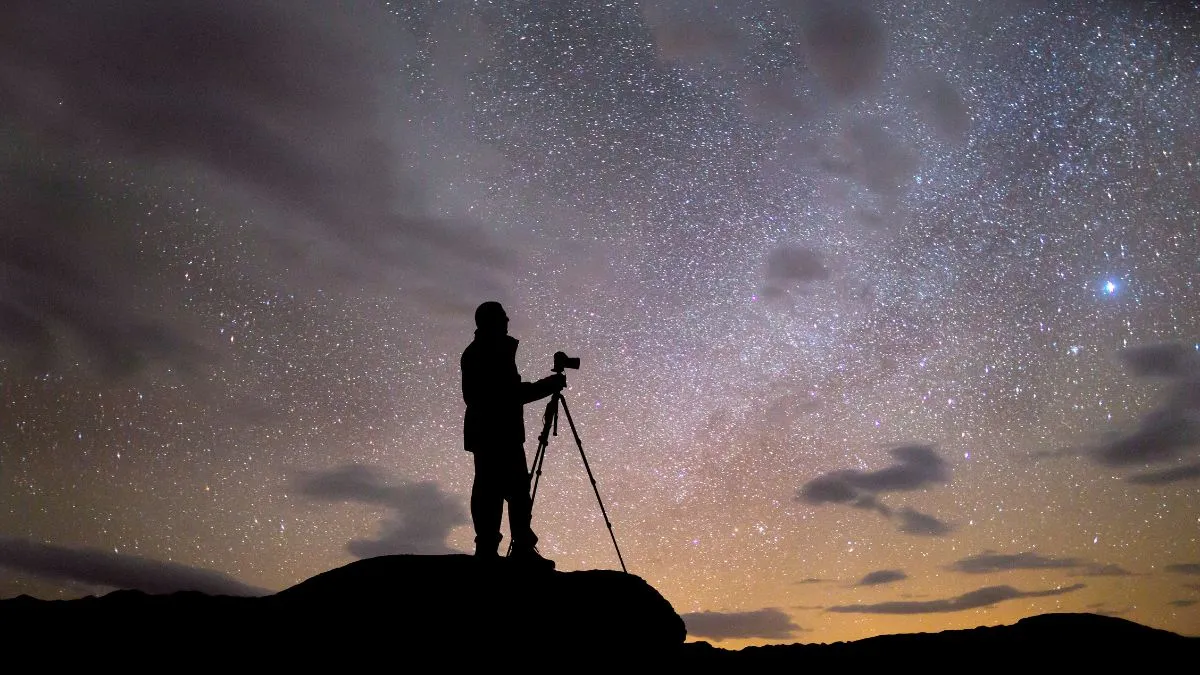
Over the past decade, astrophotography photography has become increasingly popular among both professional photographers and hobbyists. Advances in digital cameras, editing software, and portable equipment have made it easier than ever for people to explore the mysteries of the cosmos through photography. Whether photographing a bright moonrise over mountains or capturing deep-sky objects millions of light-years away, astrophotography offers an unforgettable creative experience.
What Is Astrophotography Photography?
Astrophotography photography refers to the process of photographing celestial objects, astronomical events, and night sky landscapes. Unlike traditional photography, this genre often requires long exposure techniques, specialized equipment, and careful planning.
Astrophotography can include many different subjects such as:
-
The Milky Way
-
Stars and constellations
-
The moon
-
Planets
-
Meteor showers
-
Solar and lunar eclipses
-
Nebulae and galaxies
-
Northern lights
Some photographers focus on wide-angle nightscapes that combine landscapes with the night sky, while others use telescopes to capture detailed images of deep-space objects.
Why Astrophotography Photography Is So Popular
The night sky has fascinated humanity for centuries. Astrophotography photography gives people the opportunity to connect with the universe in a powerful and artistic way.
There are several reasons why this type of photography continues to grow in popularity:
Unique Visual Beauty
The night sky contains extraordinary colors, patterns, and celestial phenomena that create stunning visual compositions. Long exposure photography reveals details and light invisible to the human eye.
Creative and Technical Challenge
Astrophotography combines artistic creativity with scientific precision. Photographers must understand camera settings, astronomy, lighting conditions, and image processing techniques.
Escape From Urban Life
Many astrophotographers travel to remote dark-sky locations far from city lights. These peaceful environments provide a deeper connection with nature and the cosmos.
Educational Experience
Photographing celestial objects encourages people to learn about astronomy, planets, stars, and the structure of the universe.
Types of Astrophotography Photography
Astrophotography includes several different styles, each with unique techniques and equipment requirements.
Milky Way Photography
Milky Way photography is one of the most popular forms of astrophotography. Photographers capture the bright galactic core stretching across the night sky above landscapes, mountains, deserts, or forests.
This style often uses wide-angle lenses and long exposures to gather as much light as possible.
Deep-Sky Photography
Deep-sky astrophotography focuses on distant celestial objects such as galaxies, nebulae, and star clusters. This advanced form of photography usually requires telescopes, tracking mounts, and specialized cameras.
Popular deep-sky subjects include:
-
Andromeda Galaxy
-
Orion Nebula
-
Pleiades Star Cluster
-
Whirlpool Galaxy
Deep-sky photography often involves stacking multiple exposures to reduce noise and increase image detail.
Lunar Photography
Photographing the moon is one of the easiest ways to begin astrophotography photography. The moon’s craters, shadows, and textures create dramatic visual detail.
Telephoto lenses or telescopes help photographers capture close-up lunar images with impressive clarity.
Planetary Photography
Planetary photography focuses on capturing planets such as Jupiter, Saturn, Mars, and Venus. Specialized techniques and high magnification equipment are often required.
Images of Saturn’s rings or Jupiter’s cloud bands are especially popular among astrophotographers.
Star Trail Photography
Star trail photography uses long exposures to capture the apparent movement of stars across the sky caused by Earth’s rotation.
The resulting circular light patterns create artistic and visually striking images.
Essential Equipment for Astrophotography Photography
Having the right equipment is important for successful astrophotography. While beginners can start with basic gear, advanced photography often requires specialized tools.
Camera
A DSLR or mirrorless camera with manual controls and strong low-light performance is ideal for astrophotography photography.
Cameras with larger sensors generally perform better in dark conditions because they produce less digital noise.
Lens
Wide-angle lenses with fast apertures are commonly used for night sky photography. Lenses with apertures such as f/2.8 or wider allow more light to enter the camera.
Popular focal lengths include:
-
14mm
-
20mm
-
24mm
Telephoto lenses and telescopes are used for photographing planets and deep-space objects.
Tripod
A sturdy tripod is essential for long exposure photography. Even slight camera movement can ruin night sky images.
Star Tracker
Star trackers are motorized mounts that follow Earth’s rotation, allowing photographers to capture longer exposures without star movement.
These devices are especially useful for deep-sky astrophotography.
Remote Shutter or Intervalometer
A remote shutter release helps prevent camera shake during long exposures.
Camera Settings for Astrophotography
Understanding camera settings is crucial for capturing sharp and detailed night sky images.
ISO
Higher ISO values increase light sensitivity but can also create digital noise. Most astrophotographers use ISO settings between 1600 and 6400 depending on conditions.
Aperture
A wide aperture such as f/2.8 or f/1.8 allows more light into the camera, improving low-light performance.
Shutter Speed
Long exposure times help capture faint stars and celestial objects. However, exposures that are too long can create star movement.
The “500 Rule” is often used to calculate maximum shutter speed before stars begin to trail.
Best Locations for Astrophotography Photography
Dark skies are essential for astrophotography. Light pollution from cities can significantly reduce visibility and image quality.
Some of the world’s best astrophotography destinations include:
Atacama Desert, Chile
Known for its extremely clear skies and high altitude, the Atacama Desert is one of the best astrophotography locations on Earth.
Iceland
Iceland offers opportunities to photograph northern lights, volcanic landscapes, and dramatic night skies.
New Zealand
Remote regions of New Zealand provide dark skies ideal for Milky Way photography.
American Southwest
National parks such as Bryce Canyon and Death Valley are famous for excellent stargazing conditions.
Sahara Desert
The vast desert landscapes and minimal light pollution create perfect conditions for night sky photography.
Challenges in Astrophotography Photography
Astrophotography photography requires patience and persistence. Several challenges make this genre technically demanding.
Weather Conditions
Clouds, humidity, and atmospheric turbulence can affect image quality and visibility.
Light Pollution
Artificial city lights reduce contrast and make faint celestial objects difficult to photograph.
Noise and Sharpness
Long exposures can introduce digital noise, requiring careful editing and image stacking techniques.
Technical Complexity
Advanced astrophotography often involves precise focusing, tracking systems, and detailed post-processing workflows.
Despite these difficulties, the final results are often incredibly rewarding.
Post-Processing in Astrophotography
Editing is an important part of astrophotography photography. Software such as Adobe Lightroom, Photoshop, and specialized astronomy programs help enhance detail, reduce noise, and improve colors.
Common editing techniques include:
-
Noise reduction
-
Exposure balancing
-
Contrast enhancement
-
Image stacking
-
Color correction
Post-processing allows photographers to reveal hidden details and create visually stunning final images.
Tips for Successful Astrophotography Photography
Beginners can improve their astrophotography skills by following a few important tips:
-
Shoot during new moon phases for darker skies
-
Use manual focus for sharp stars
-
Scout locations during daylight
-
Check weather and cloud forecasts
-
Experiment with composition and foreground subjects
-
Practice patience and consistency
Experience and experimentation are key to mastering night sky photography.
Conclusion
Astrophotography photography is a remarkable blend of art, science, and exploration. It allows photographers to capture the hidden beauty of the universe while developing technical skills and creative vision.

