
There is a moment just before the sky comes alive in the Yukon when the world feels suspended in absolute silence. The temperature drops, the air turns crisp and brittle, and the dark velvet canopy above begins to faint-glow with a whisper of pale green. Then, without warning, light erupts. Ribbons of emerald, violet, and electric rose streak across the night, dancing across snow-dusted peaks and mirroring off frozen river bends.
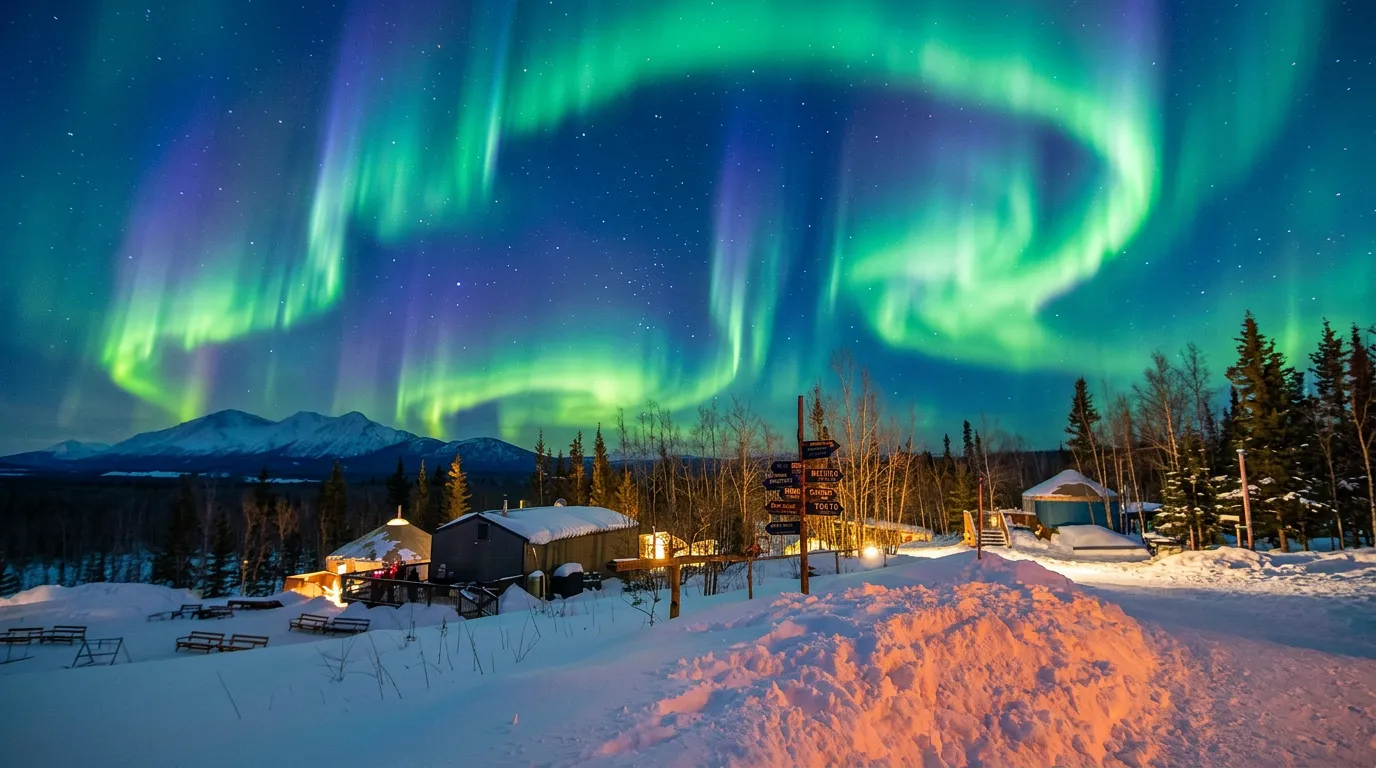
For visual storytellers, landscape lovers, and nocturnal adventurers, this isn’t just a natural light show—the Yukon is the ultimate northern lights photographer’s dream playground.
Whether you are aiming to capture your very first aurora dynamic arc or seeking gallery-grade nightscapes of the Canadian wilderness, northern Canada offers an unparalleled backdrop. Let’s dive into why the Yukon earns this reputation, how to plan your expedition, and the exact steps to capture high-impact aurora photography.
Why the Yukon is the Ultimate Playground for Aurora Photographers
While several northern destinations offer views of the Aurora Borealis, few combine accessibility, dramatic topography, and dark sky conditions quite like Canada’s Yukon Territory.
[ Yukon Northern Lights Highlights ]
┌──────────────────┬─────────────────────────────────┐
│ Yukon Advantage │ Why It Matters for Photography │
├──────────────────┼─────────────────────────────────┤
│ Auroral Oval │ Located under prime geomagnetic │
│ │ activity for frequent displays. │
├──────────────────┼─────────────────────────────────┤
│ Diverse Terrain │ Jagged peaks, boreal forests, │
│ │ braider rivers, & tundra landscapes.│
├──────────────────┼─────────────────────────────────┤
│ Zero Light Pollution │ Dark sky reserves yield crisp,│
│ │ high-contrast RAW files. │
└──────────────────┴─────────────────────────────────┘
1. Prime Geographic Positioning
The Yukon sits directly beneath the auroral oval—the band around the magnetic pole where geomagnetic activity is most concentrated. This high latitude means that even moderate solar activity (a low KP index) can trigger striking visual displays visible to both the naked eye and camera sensors.
2. Dramatic, Unspoiled Foreground Composition
A great aurora photo requires more than just green sky; it demands a compelling foreground. The Yukon provides world-class natural elements:
-
The Tombstone Mountains: Sharp, dramatic granite spires that frame the night sky.
-
Kluane National Park: Majestic glacial valleys and massive snowfields.
-
Braided Rivers: Open waters of the Yukon and Takhini Rivers, reflecting ribbons of light before the winter deepens.
3. Ultra-Dark Skies with Minimal Light Pollution
Step just 15 minutes outside the territory’s capital, Whitehorse, and light pollution drops to near zero. Clear, unpolluted night skies ensure your long exposures capture deep contrast, brilliant stars, and rich color nuances in the aurora without unsightly sodium-glow hazes.
Best Times to Shoot the Aurora in the Yukon
Capturing the northern lights requires balance between darkness and weather conditions.
-
Autumn (Late August to October): A photographer favorite. The ground isn’t fully frozen yet, meaning pristine lakes and rivers act as natural mirrors for sky reflections. Temperatures are manageable, and fall tundra colors provide vivid day-to-night transitions.
-
Winter (November to March): Deep darkness reigns, providing long shooting windows (up to 12+ hours of darkness). Snow-covered landscapes naturally bounce light back into your camera frame, creating well-exposed foregrounds even under starlight.
Pro Tip: Plan your photo trip around the New Moon phase. A dark sky enhances faint aurora bands, while a crescent or half moon can gently illuminate mountain foregrounds without blowing out the night sky.
Essential Gear Checklist for Night Sky Photography
Photographing in sub-zero wilderness requires specialized equipment for both your image quality and personal safety.
Camera & Optical Gear
-
Full-Frame Camera Body: Offers superior high-ISO performance and lower noise levels in low-light environments.
-
Fast, Ultra-Wide Lens (f/1.4 to f/2.8): A focal length between 14mm and 24mm allows you to capture vast sky landscapes while keeping apertures wide to let in maximum light.
-
Sturdy Tripod: Yukon winds can be intense. A heavy-duty carbon fiber or aluminum tripod is essential for razor-sharp exposures.
-
Manual Focus Ring Lock / Tape: Prevents accidental focus shifts in the dark once you’ve dialed in focus on distant stars.
Cold-Weather Survival Gear for Electronics
-
Extra Batteries (4–6 Minimum): Extreme cold drains lithium-ion batteries rapidly. Keep spare batteries inside an interior coat pocket close to your body heat.
-
Lens Warmers / Hand Warmers: Wrap hand warmers around your lens barrel using a rubber band to prevent frost or condensation build-up on the glass.
-
Sealed Plastic Bags: When coming back indoors, seal your camera equipment inside a plastic bag before stepping into a warm room to prevent condensation from forming inside the lens and camera body.
Technical Camera Settings: A Step-by-Step Field Guide
When the aurora kicks into high gear, light conditions can shift from subtle glows to fast-moving curtains in seconds. Use these baseline manual settings as your starting point:
+————————————————————-+
| RECOMMENDED AURORA SETTINGS |
+———————-+————————————–+
| Mode | Manual (M) |
| Focus | Manual (Focused on bright star/infinity)|
| Aperture | Widest available (f/1.4 – f/2.8) |
| ISO | 1600 – 3200 (Adjust for noise) |
| Shutter Speed | Fast Aurora: 1 to 4 seconds |
| | Slow Aurora: 6 to 15 seconds |
| White Balance | Kelvin 3500K – 4000K (Cool/Neutral) |
| Image Format | Uncompressed RAW |
+———————-+————————————–+
Dialing in Sharp Focus at Night
-
Switch your lens to Manual Focus (MF).
-
Turn on Live View and zoom in digitally on a bright star or distant light on the horizon.
-
Adjust your focus ring until the star appears as tiny and crisp as possible.
-
Test shot: Take a sample photo and zoom in 100% on the rear screen to check sharpness before the main show starts.
TOP Locations for Aurora Photography in the Yukon
1. Fish Lake & Hidden Lakes (Near Whitehorse)
-
Accessibility: Easy (20–30 minute drive from downtown Whitehorse).
-
Highlights: High elevation, panoramic mountain views, and quiet lakes perfect for reflecting early season aurora displays.
2. Dempster Highway & Tombstone Territorial Park
-
Accessibility: Advanced / Expedition style.
-
Highlights: Known as the “Patagonia of the North,” this location features jagged peaks like Mount Monolith. The contrast of dramatic tundra landscapes against vivid aurora colors produces world-class imagery.
3. Kluane National Park & Reserve
-
Accessibility: Moderate (via the Alaska Highway).
-
Highlights: Home to Canada’s highest peaks, sweeping glaciers, and expansive icefields that catch the celestial light.
4 Pro Tips to Elevate Your Composition
-
Incorporate Scale with Human Elements: Add a lone tent with an interior light, a snowshoer, or a cozy wilderness cabin to give viewers a sense of wonder and perspective.
-
Watch the Water Line: During late summer and early autumn, position your tripod near calm shoreline waters to capture symmetrical mirror images of green light.
-
Adapt to the Aurora’s Speed:
-
Curtaining / Dancing Aurora: Use faster shutter speeds (1–3 seconds) at higher ISO to freeze sharp detail in the light curtains.
-
Faint / Static Aurora: Use longer shutter speeds (8–15 seconds) at lower ISO to gather light without creating star trails.
-
-
Use Subtle Forefront Illumination: Use a dim headlamp or warm warm-toned light source for a fraction of a second (“light painting”) to reveal textures on nearby trees or ice formations.
Conclusion: Crafting Unforgettable Yukon Memories
There is no feeling quite like standing on a frozen lake under a canopy of light in Canada’s North. As an aurora photographer’s dream playground, the Yukon offers raw wilderness, rich dark skies, and landscapes that elevate standard night photos into art.
Pack your warmest layers, double-check your gear list, and get ready to create images that will last a lifetime. The north is calling—and the lights are ready to dance.
Frequently Asked Questions (FAQ)
What is the best month to photograph the northern lights in the Yukon?
September and October offer comfortable temperatures and reflective water scenes, while December through March provides dark skies and classic snow-covered winter landscapes.
Can I capture the aurora on a smartphone camera in the Yukon?
Modern smartphones with dedicated Night Mode features can record bright auroras. However, for crisp prints, clear detail, and full control over noise and focus, a mirrorless or DSLR camera with a wide, fast lens (f/2.8 or wider) remains recommended.
How do I predict when the aurora will appear?
Check space weather forecasting tools like the Geophysical Institute’s Aurora Forecast (University of Alaska) or space weather apps. Look for high KP Index ratings (3 or higher is great for the Yukon) and negative Bz readings on solar wind data.
How cold does it get during Yukon night shoots?
Winter night temperatures frequently drop between -20°C and -40°C (-4°F to -40°F). Layering with merino wool base layers, heavy insulated parkas, windproof outer shells, thermal gloves, and rated boots is vital for safe winter photography trips.
Would you like me to tailor this draft further (e.g., adding specific photography tour recommendations, formatting it for a WordPress blog post, or expanding on post-processing techniques in Lightroom)?

