
Morocco travel encompasses far more than following predetermined tour itineraries; it represents a complex navigation of distinct travel approaches, logistical considerations, cultural adaptation, and strategic decision-making that transforms casual tourism into meaningful experiences. Whether travelers choose guided group adventures, private customized journeys, or independent self-directed exploration, the Moroccan experience depends fundamentally on preparation, realistic expectations, and flexibility accommodating situations inevitably differing from preconceived plans. Understanding the spectrum of Morocco travel options, practical logistics enabling successful navigation, and how different travel styles align with personal preferences and capabilities enables informed decisions that create travel experiences matching individual desires rather than defaulting to whatever tourism infrastructure promotes most aggressively.
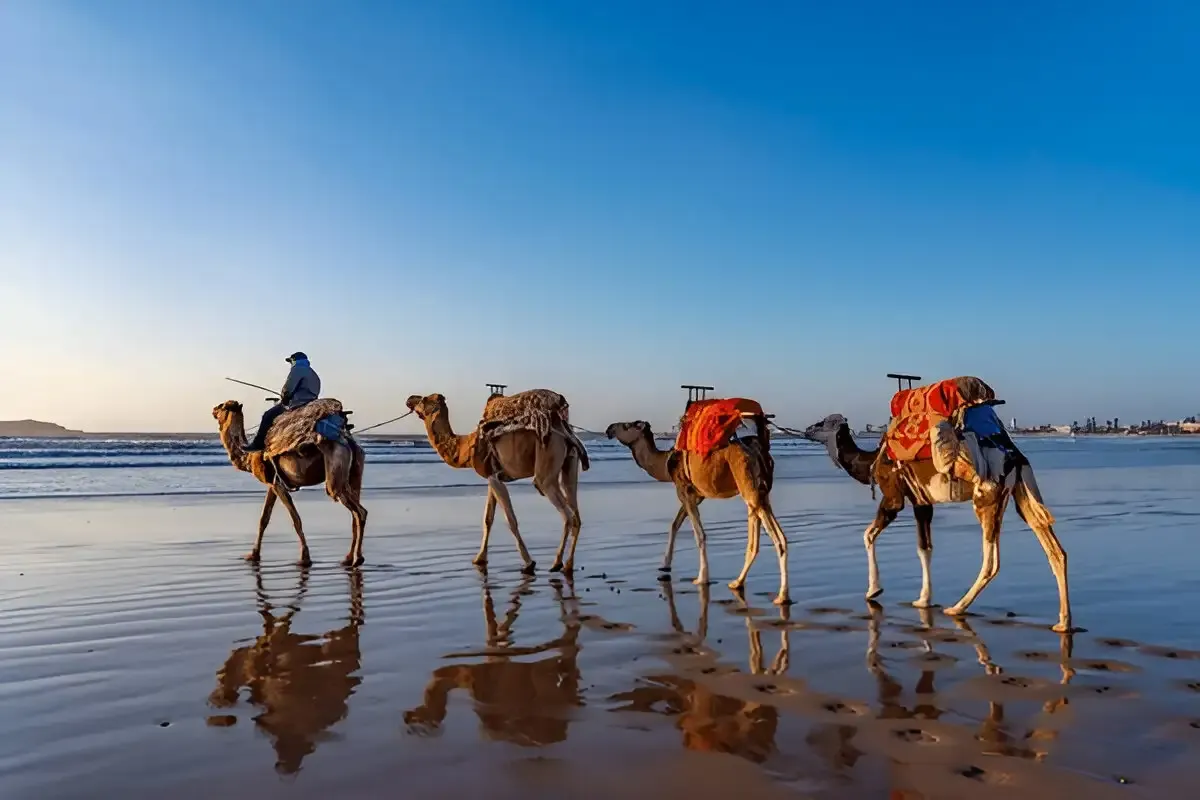
Morocco Travel Styles: Matching Approaches to Preferences
Guided Group Travel
Group travel appeals to travelers seeking social experiences, relieved planning responsibility, and cost efficiency. Quality operators provide structured itineraries, expert guides, transportation coordination, and often meals, creating comprehensive experiences where clients essentially outsource all logistics. This approach suits first-time Morocco visitors, time-constrained travelers, those uncomfortable navigating unfamiliar cultural contexts independently, and anyone preferring social dynamics over solitude.
Premium group operators maintain small sizes (8-12 maximum participants), employ expert guides speaking multiple languages fluently, and provide flexibility accommodating individual interests within group frameworks. Budget group travel reduces costs but often increases group sizes, reduces personalization, and sometimes compromises accommodation or meal quality. Mid-range group options typically balance cost efficiency with service quality effectively.
Private Customized Travel
Private travel with dedicated guides and exclusive vehicles enables complete itinerary control, flexible scheduling, and personalization impossible within group formats. Couples, families, and friend groups book private services ranging from 3-21+ days, with costs reflecting exclusive vehicle use, dedicated guide attention, and route customization.
The flexibility proves invaluable for travelers wanting extended time in particular locations, detours to lesser-known sites, specialized interests (photography, cuisine, trekking), or any scheduling adjustments impossible within predetermined group itineraries. Private travel suits experienced travelers comfortable directing experiences, those with specific interests requiring expert knowledge, and anyone prioritizing personalization over cost savings.
Independent Backpacker Travel
Experienced independent travelers navigate Morocco through public transportation, budget accommodations, self-directed itineraries, and spontaneous decision-making. This approach demands comfort with uncertainty, local language basics, navigation challenges, and occasional logistical complications, yet rewards with maximum flexibility, authentic community interactions, and profound travel autonomy.
Independent travel suits experienced travelers fluent in travel logistics, those with flexible time allowing route adjustments, people seeking maximum cultural immersion through independent exploration, and budget-conscious travelers prioritizing cost minimization over comfort or convenience.
Luxury Private Travel
High-end Morocco travel involves premium accommodations at luxury riads and hotels, private vehicles with professional drivers, expert private guides, gourmet dining experiences, and comprehensive logistics management. This approach delivers comfort standards matching luxury travelers’ expectations while maintaining access to authentic cultural experiences and sites visited by budget travelers simultaneously.
Luxury Morocco travel costs $400-800+ daily per person but provides unmatched comfort, convenience, and personalized service enabling stress-free exploration without logistical complexity or discomfort concerns.
Practical Morocco Travel Logistics
Transportation Navigation
Morocco’s transportation infrastructure balances accessibility with complexity. Options include:
Domestic Flights: Connecting distant regions (Marrakech to Fes, coastal cities) through RAM (Royal Air Maroc) saves time but costs more than ground transportation. Useful for time-constrained travelers prioritizing efficiency.
Train Travel: The ONCF railway connects major cities reliably with comfortable seating, occasional food service, and scenic routes. Trains provide transportation with less driving fatigue than buses, though schedules limit flexibility.
Buses: Extensive bus networks connect virtually everywhere affordably (CTM provides comfortable long-distance service; local buses offer budget alternatives). Trade-offs involve longer journey times and occasionally challenging conditions on longer routes.
Rental Cars: Self-driving provides maximum flexibility but requires comfort with unfamiliar road conditions, ZTL (restricted traffic zone) regulations, parking challenges in medinas, and local driving customs. Rental cars suit experienced drivers comfortable with navigation uncertainty.
Hired Drivers: Professional drivers provide transportation without driving stress, navigation responsibility, or parking concerns. Costs fall between public transportation and rental cars while delivering comfort and reliability.
Accommodation Spectrum
Morocco accommodates all budget levels through diverse lodging options:
Luxury Riads: Traditional houses converted to boutique hotels feature courtyards, traditional architecture, personalized service, and premium pricing ($150-500+ nightly). These provide authentic atmosphere with modern amenities.
Mid-Range Hotels/Riads: Comfortable accommodations with private bathrooms, hot water, internet, and basic amenities cost $50-150 nightly, balancing comfort and affordability effectively.
Budget Guesthouses and Hostels: Basic accommodations with shared or private rooms cost $15-50 nightly, appealing to budget travelers and backpackers.
Traditional Homestays: Staying with local families provides cultural immersion, meals featuring home cooking, and income supporting rural communities. Quality and comfort levels vary substantially requiring research and realistic expectations.
Cultural Preparation for Successful Travel
Language and Communication
French proves more useful than English outside tourist centers, though English increasingly appears in tourist areas. Learning basic French or Arabic phrases hello, thank you, please, excuse me demonstrates respect and dramatically improves local interactions.
Cultural Sensitivity
Morocco is predominantly Muslim (though secular urban culture characterizes major cities). Respectful dress covering shoulders and knees proves important outside beach contexts. Ramadan affects business hours and local rhythms; timing travel accordingly prevents frustration.
Photography requires permission to always ask before photographing people. Respect sacred spaces and religious activities. Bargaining in souks represents expected social interaction rather than confrontation; approach with humor and patience.
Health Preparation
Consult travel medicine professionals about appropriate vaccinations (yellow fever possibly required depending on origin country), malaria prophylaxis (particularly for southern/coastal regions), and traveler’s diarrhea management. Comprehensive travel insurance provides crucial medical emergency coverage.
Financial Strategy and Budgeting
Morocco remains relatively affordable for international travelers. Daily budgets range from $30-50 for backpackers (budget accommodations, street food, limited activities) to $100-200 for mid-range travelers (comfortable hotels, restaurant meals, guided activities) to $400-800+ for luxury experiences.
Currency exchange at banks provides better rates than airport exchanges or hotels. ATMs withdraw local dirhams directly from international accounts. Credit cards work in major cities and tourism areas but carrying cash proves essential for smaller towns and informal transactions.
Timing and Seasonal Considerations
Spring (March-May): Ideal conditions with moderate temperatures across regions, blooming landscapes, and manageable tourism levels.
Summer (June-August): Extreme inland heat; excellent coast/mountain weather. Peak tourism season with crowds and inflated pricing.
Autumn (September-November): Excellent conditions rivaling spring with slightly fewer tourists and reduced prices.
Winter (December-February): Perfect city weather; cold mountain/desert nights. Lower prices and minimal crowds outside holidays.
Conclusion
Morocco travel encompasses diverse approaches accommodating varied preferences, budgets, and capabilities. Whether seeking guided comfort, independent autonomy, or luxury refinement, Morocco welcomes travelers through accessible infrastructure, genuine hospitality, and experiences blending ancient traditions with contemporary vitality. Successful Morocco travel requires realistic preparation, cultural respect, flexible mindsets, and willingness to embrace situations differing from expectations. The rewards of meaningful cultural engagement, transformative desert experiences, architectural beauty, and authentic human connection justify the preparation and logistical complexity that international travel inevitably involves.
Key Takeaways
Travel Style Selection Determines Experience Quality More Than Destination Choice Guided, private, luxury, or independent travel approaches create fundamentally different experiences in identical locations. Choose approaches aligning with comfort levels, preferences, and capabilities rather than defaulting to whatever tourism infrastructure promotes most prominently.
Practical Logistics Mastery Enables Stress-Free Exploration Understanding transportation options, accommodation spectrum, currency systems, health preparations, and seasonal timing transforms Morocco travel from logistical nightmare into manageable adventure. Pre-trip research investing 10-20 hours prevents dozens of hours of travel-related stress.
Cultural Preparation Generates More Meaningful Interactions Than Logistics Optimization Learning language basics, understanding cultural sensitivities, respecting religious practices, and approaching communities with genuine respect creates human connections that enhanced creature comforts cannot replicate. Cultural readiness matters more than accommodation luxury.
Budget Reality Doesn’t Require Compromising Meaningful Experiences Morocco’s affordability enables meaningful travel at all budget levels. Quality experiences don’t require luxury pricing; thoughtful planning and realistic expectations deliver authentic engagement regardless of daily expenditure.
Flexibility and Spontaneity Create Best Travel Stories Predetermined itineraries provide necessary structure but unexpected encounters, spontaneous direction changes, and unplanned discoveries generate narratives that scheduled tourism cannot guarantee. Embrace uncertainty as travel’s essential component rather than problem requiring elimination.
Morocco’s Appeal Transcends Tourist Infrastructure Through Authentic Community Engagement Beyond famous medinas and desert tours, Morocco’s greatest rewards come through genuine interactions with communities, exposure to daily life beyond tourism centers, and experiences treating locals as humans rather than service providers. These require effort but create transformative travel beyond typical tourism.

